IAMCR is the preeminent worldwide professional organisation in the field of media and communication research. Learn more

IAMCR invites presenters for the upcoming IAMCR Presidential PhD Research Webinar titled "News Agencies in Transition: An Exploration of Their Current State, Challenges, and Future Prospects", convened by Jasmin Surm. The deadline to submit applications has been extended to 1 May 2024, 23h59 UTC.
The elections for IAMCR Executive Board (EB) and International Council (IC) are over. Daya Thussu was elected president and will be joined on the Executive Board by 2 vice-presidents, Karen Arriaza Ibarra and Andrea Medrado, alongside Jeremy Shtern as Secretary General and Skye Doherty as Treasurer. Congratulations to the new EB and IC members, and thanks to all participants and candidates.
Several of IAMCR's sections and working groups are holding online elections from 23 April to 14 May. Current members of IAMCR who are also registered as members of the section or working group, are eligible to stand for a position and to vote. The list of candidates and their statements are now available.

The Gender and Communication Section has issued its April newsletter with updates on the upcoming Christchurch conference, highlights of the recent International Women's Day 2024 webinar, and calls for papers and publications that might be of interest to its members. Read it here.


The Participatory Communication Research Section regularly issues newsletters with information of interest to its members. The March 2024 issue includes information about the upcoming Section Head elections, IAMCR 2024 keydates and events and a call for abstracts. Read it here.
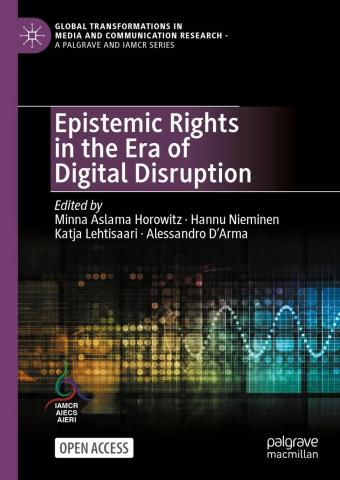
Edited by Minna Aslama Horowitz, Hannu Nieminen, Katja Lehtisaari and Alessandro D'Arma, Epistemic Rights in the Era of Digital Disruption is the 21st title in the Palgrave/IAMCR book series Global Transformations in Media and Communication Research.
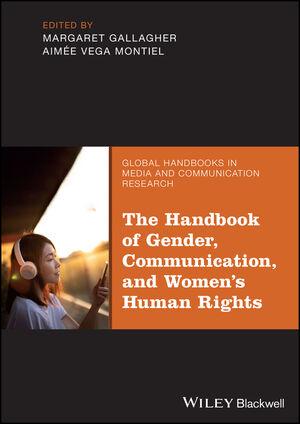
Edited by Margaret Gallagher and Aimee Vega Montiel (2023)
This book engages contemporary debates on women’s rights, democracy, and neoliberalism through the lens of feminist communication scholarship.
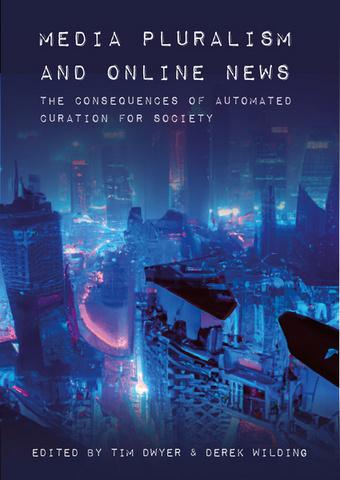
Edited by Tim Dwyer and Derek Wilding, this book explores media pluralism policies for online news and the impact of innovative practices on public opinion in the social media era. The authors advocate for media policy updates to address platform and media concentration risks, prioritizing news diversity, sustainability, and quality.
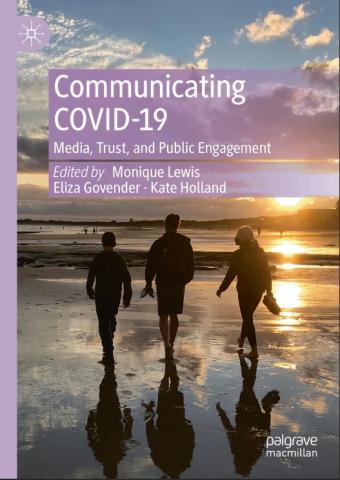
Edited by Monique Lewis, Eliza Govender, and Kate Holland, "Communicating COVID-19: Media, Trust, and Public Engagement" brings together different scholars from around the world to explore and critique the ongoing advances of communicating COVID.
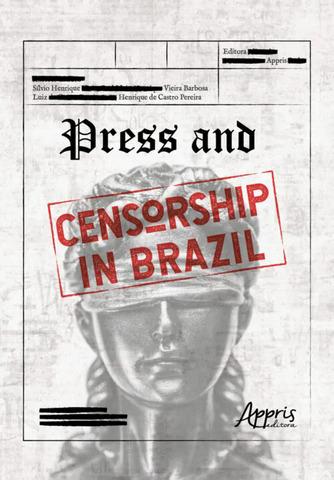
By Sílvio Henrique Vieira Barbosa and Luiz Henrique de Castro Pereira, "Press and Censorship in Brazil" explores the state of journalism in Brazil and the various forms of censorship it faces.
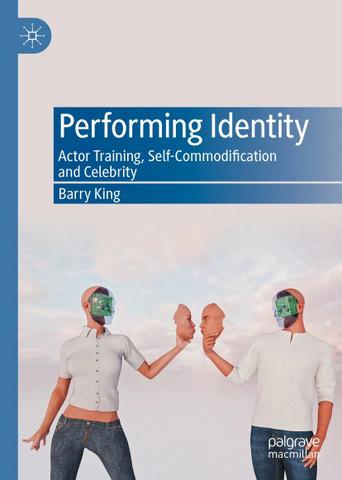
By Barry King, "Performing Identity: Actor Training, Self-Commodification and Celebrity
" delves into the impact of persistent casualization and precarity within the realm of acting work. By closely examining the training of actors in both the US and UK, it sheds light on how market pressures have significantly influenced their preparation.